

Services
While we don’t yet have a cure for Alzheimer’s disease or most other memory disorders we treat at the Mount Sinai’s Wien Center, our neurologists, along with our multidisciplinary care team, focus on helping patients enjoy the best quality of life possible. A major emphasis is placed at the Wien Center on identifying psychiatric causes of memory and cognitive impairment, especially because these conditions can be treated very effectively. Reversal of the cognitive symptoms can occur with appropriate medications and behavioral management of the underlying psychiatric condition.
We are also fully committed to helping delay the progression of the disease. We address the mental health effects of these conditions by anticipating progressive changes, using medications and therapies, and adjusting treatment plans as needed. This approach gives our patients much-needed support and relief from their symptoms and can slow the disease process. In fact, much of our success in slowing disease progression can be attributed to our early detection screening programs.
Screening, Assessment, and Diagnosis
The physicians at Mount Sinai’s Wien Center understand the importance of early detection and diagnosis of Alzheimer’s disease and other memory disorders. The center has earned national recognition for making memory screening and clinical evaluations simple, quick, and accessible to the broadest and most diverse patient population possible. A brief questionnaire can be completed (over the phone or on our website) in about five minutes. It’s the first step in detecting memory disorders in the here and now, and it can help determine the risk for developing a memory disorder in the future. Based on the findings of the screening assessment, patients may be referred for diagnosis and management of a suspected underlying medical, neurological, or psychiatric condition.
Individuals who have a concern can work with our skilled neurologists to set up a consultation for further evaluation. Our diagnostic process involves ruling out other potential causes and assessing symptoms. Patients at the Wien Center will undergo a comprehensive workup, including a physical assessment, brain scans, and blood tests. During an evaluation, our physicians will rule out other medical causes for symptoms, such as thyroid or liver issues and infections.
We recommend that patients bring a loved one to their appointment. They can provide valuable details about one’s medical history, cognition, behavior, and personality changes. Patients will also take a mental status exam, which is a quick paper assessment that takes about 10-15 minutes and evaluates critical cognitive skills, like memory, judgment, and reasoning.
In addition to standard imaging equipment, like MRI and CT scans, Mount Sinai Medical Center has advanced imaging technology that can detect proteins in the brain associated with Alzheimer’s disease.
Disease and Symptom Management
Medication Management
The physicians at Mount Sinai Medical Center frequently prescribe medication to manage symptoms and slow disease progression.
Some memory disorders, like Alzheimer’s disease and dementia with Lewy bodies, respond well to cognitive enhancement medications. We prescribe medicines (e.g., Exelon, Razadyne, and Aricept) to improve memory, alertness, and judgment. The treatments also work to reduce confusion and improve concentration. Overall, these medications effectively improve patients’ day-to-day function and their quality of life.
The neurologists at the Wien Center also frequently prescribe memantine, which can improve cognition, mood, and behavior. It is most often used in moderate to severe cases of Alzheimer’s disease.
Motor problems, which are particularly common in dementia with Lewy bodies and some other disorders, may be treated with Parkinson’s disease medications (e.g., Sinemet), as the goal is to reduce rigidity and tremors and improve mobility and balance.
Behavioral Management
Our clinicians often treat mood or behavioral issues related to dementia and memory disorders. Depression, anxiety, agitation, aggression, and sleep disturbance are common. Mount Sinai neurologists and their care teams at the Wien Center have experience recognizing and treating the behavioral components associated with dementia. Mild sedatives, sleep aids, and mood stabilizers frequently help. By addressing symptoms beyond cognitive changes, our comprehensive approach at the Wien Center can considerably improve the quality of life of our patients and their caregivers.
Rehabilitation Services
The skilled rehabilitation specialists at Mount Sinai Medical Center work with the Wien Center clinicians to provide physical and occupational therapy and speech therapy to help diminish the impact of conditions associated with dementia on everyday life. These therapists help patients stay safe, maintain independence, and preserve quality of life.
Occupational therapists (OTs) focus on a variety of tasks, including simple self-care and household tasks, as well as other recreational activities. OTs also train caregivers to assist their loved ones with self-care. OTs will also suggest modifying a home, and other environments, to make them more accessible. Examples include removing area rugs and placing frequently used items in easy-to-reach areas. They also recommend equipment like grab bars and shower chairs to make tasks like bathing safer.
Physical therapists (PTs) will work on strength, balance, and endurance to promote mobility. They will also help implement the use of mobility aids like canes or walkers.
Dementia dramatically increases the risk of falls and injuries, so our physical therapists will focus on reducing this risk. In the early stages, PTs can use mobility and endurance training to keep patients active with hobbies and mobile in one’s community. Physical therapists also often train caregivers in the best ways to help their loved ones with mobility.
Speech-language pathologists (SLPs) work on language and communication and are experts in cognition. They can also help patients adapt to memory, language, and speech changes. If a patient has trouble swallowing, SLPs will work on oral motor control and feeding skills to help the patient enjoy foods he or she loves. An SLP may recommend modifying the textures of foods or liquids to prevent aspiration (inhaling food bits into the lungs) and can train caregivers in the best ways to help their loved ones continue to eat, communicate, and participate in the social world around them.
Holistic Lifestyle Management
Patient care teams at the Wien Center see each patient as an individual, with many factors affecting his or her overall health. We use a holistic approach to understand and consider all aspects of one’s life and how they can contribute to, or slow the progression of, a patient’s condition. This means, we consider home and work life, responsibilities, hobbies, social support, finances, and family structure, in addition to medical concerns.
Lifestyle changes suggested by physicians and therapists at the Wien Center are crucial elements of each treatment plan. For example, the progression of some dementias is driven by physiological factors like blood pressure and cardiovascular health so, in addition to medical management of blood pressure, the care team will help patients modify diet and exercise routines. For other types of dementia, the team might recommend mental and social stimulation activities to keep a patient’s mind engaged. In later stages, the team would focus on environmental changes and caregiver training, to help keep patients safe while maintaining their quality of life.
Support Services and Community Connections
In addition to neurologists and therapists, the Mount Sinai team includes case managers who work with patients and caregivers to provide the support and resources needed when families face Alzheimer’s and other memory disorders. Case managers are typically social workers or nurses with advanced training. They are experts in assessing needs beyond the medical domain. They are also skilled in connecting patients with community resources. This may include a variety of tasks, such as the following:
- Helping with applications to financial aid or stipend programs
- Working with insurance companies to get equipment purchases approved
- Finding community organizations that provide free hot meals or cleaning services
- Setting up respite breaks for caregivers
- Locating local services like day programs and home health aides
The Wien Center is proud to host several support programs for our patients and their families because the physical and emotional stress of caring for someone with a memory disorder is significant. On average, caregivers provide more than 27 hours of service each week. This totals more than 16 billion hours of labor nationwide each year and often leads many caregivers to suffer from changes in their own mental and physical health.
At the Wien Center, we believe it’s important for patients and their loved ones to know that they are not alone. Our caregiver support program aims to reduce stress and improve the quality of life of our patients and their caregivers, who have full access to our resources, support groups, and experienced providers. We also have financial aid programs that help patients pay for hired care and in-home nursing expenses. Our case managers can even help families apply for state and federal programs for allowances and tax credits. Some programs pay family members to work as caregivers for their loved ones.
In addition, our case managers can help find day programs and set up home health aide services, which provide additional assistance for caregivers. They can also help find a respite stay for prolonged periods, up to a few weeks. This is a temporary stay in a nursing or care facility, which is typically paid for by insurance or grant funding. Our case managers will help families navigate the application process and assist with any financial concerns.
Our Physicians

Ranjan Duara, MD
Medical Director, Wien Center for Alzheimer’s Disease and Memory Disorders
- Neurology
- Neuroscience
- Alzheimer’s Disease
- Memory Disorders
- Mount Sinai Medical Center (Main Campus)
- (305) 674-2543
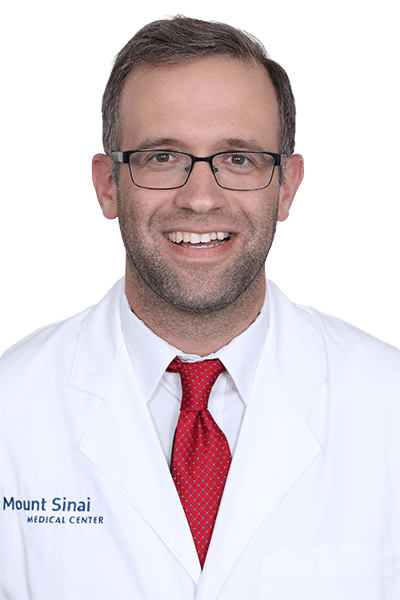
Leonard L. Sokol, MD
- Neurology
- Neuroscience
- Alzheimer’s Disease
- Dementia
- Mount Sinai Medical Center (Main Campus)
- 305.674.2543