

Conditions We Treat
At Mount Sinai, our physicians have extensive experience treating various cognitive and memory disorders include the following:

Alzheimer’s Disease
Alzheimer’s disease is the most common cause of dementia, affecting over 580,000 people, or one in three people aged 85 and older. Fortunately, South Florida is home to the Wien Center at Mount Sinai Medical Center, where a large number of clinical evaluations focused on early detection are conducted annually.
Alzheimer’s disease begins to alter the brain many years before symptoms start to appear. These preclinical changes in the brain can be detected with MRI and PET scans, and even sensitive neuropsychological tests in the “asymptomatic” stage of Alzheimer’s disease. When it comes to diagnosis, the Wien Center is one of very few Alzheimer’s centers in Florida with advanced imaging tools that can identify the biomarkers and physical changes in the brain that are associated with the disease.
MRI scans show numerous physical abnormalities in the brain, including specific patterns of atrophy (shrinkage), small and large strokes and blood clots, brain tumors, areas of inflammation, enlarged fluid-filled spaces, and changes in the white matter of the brain. Certain PET scans can detect patterns of change in brain metabolism, or the presence of amyloid plaques or neurofibrillary tangles. Based on these scans, our physicians can differentiate Alzheimer’s from other dementias and memory disorders. The same imaging technology at the Wien Center is integral to our research initiatives to improve diagnostic methods. Our physicians also test the fluid for specific protein markers that surround the brain and spinal cord, known as cerebrospinal fluid (also called CSF). More recently, tests for Alzheimer’s and other diseases have been developed to isolate these specific protein changes in the blood.
At the Wien Center, we utilize a holistic approach and aim for patients to maintain as much independence as possible, while helping them stay safe. If a patient is diagnosed with Alzheimer’s, a dedicated medical team at Mount Sinai Medical Center will design a comprehensive plan for him or her, based on specific circumstances, including severity of symptoms. When creating a treatment plan, the patient’s customized care team will consider all factors of the disease, symptoms, lifestyle, and support systems. Treatment plans may include a variety of medications and rehabilitative therapies.
Stages of Alzheimer’s Disease
In the early stages of Alzheimer’s, symptoms often resemble typical changes related to aging and are oftentimes first identified by friends and family members. These changes may include forgetfulness of recent events; difficulties with finding words and names of people and places; and difficulty learning new information. Patients may also become disoriented, while driving, and forget where they parked their car and get lost, even in common, well-known places.
Over time, patients with Alzheimer’s disease may make poor decisions and use bad judgment. They may also be very vulnerable to scammers who use phone calls and the internet to prey on elders with cognitive problems. Mood changes are also common at this stage, and patients may experience irritability, anxiety, problems with sleep, agitation, or depression.
In moderate stages of Alzheimer’s, patients sometimes experience more lapses in memory, language problems, and difficulty with everyday tasks. They may need help with cooking, managing finances, and taking medications correctly. Mount Sinai’s occupational and speech therapists can work on these skills and adapt a home environment to make it safer and more accessible. Patients also face a higher risk of falls, due to balance and mobility problems and slower reaction times. Our Mount Sinai physical therapists will work with patients on these skills. They often train them to do specific exercises to improve strength, balance, and mobility, as well as to use devices such as canes or walkers.
Language and speech problems are typical at this stage. Reading and writing also become challenging. Some patients experience delusions and become suspicious of others, even close friends and family. Fortunately, cognitive enhancement medications prescribed by neurologists at the Wien Center can help reduce confusion, improve communication, and slow the progression of these symptoms.
Late-stage Alzheimer’s disease severely impairs the ability to care for oneself. Late-stage patients need help to complete simple tasks like dressing, bathing, and using the bathroom. They often have significant trouble with balance and mobility. They may require a wheelchair — and will likely need help getting out of bed, moving from seat to seat, or walking short distances. Patients at this stage also frequently fall, especially at night. Our Mount Sinai physical therapists will work with patients and their caregivers to reduce the risk of falling and injury.
Speech and communication also become difficult in late-stage Alzheimer’s. Individuals with late-stage Alzheimer’s may not talk as much, and their speech may be difficult to understand. Problems with chewing and swallowing are common and can lead to inhalation of food into the lungs, pneumonia, and malnutrition. Mount Sinai’s speech therapists will work on feeding and language skills, and they may recommend a modified food texture or thickened liquids to make eating safer.
A patient’s care team at the Wien Center will continually examine and adjust patient treatment plans and medications. Even during late-stage Alzheimer’s, the Wien Center care team of neurologists can prescribe medications to improve quality of life. Cognitive enhancers, sleep aids, and mood stabilizers can often help.
Early Onset Alzheimer’s Disease
Early onset Alzheimer’s disease is defined by an onset of symptoms in those younger than 65 years of age. It comprises about 5% to 6% of cases of Alzheimer’s, and it includes a larger genetic predisposition, more aggressive course, more frequent delay in diagnosis, less memory impairment, greater involvement of other cognitive domains on presentation, and greater psychosocial difficulties. Diagnosis and treatment of early onset Alzheimer’s disease are more challenging than in the late-onset variety, although the same tests and treatments are used. Our specialists at the Wien Center can make an impact on symptoms and sometimes slow progression. For this reason, we advocate for early detection among our patients, including those with early onset disease.
Cognitive Impairment Caused by Long COVID
The respiratory virus COVID-19 can impact the entire body and all its systems. It can also cause inflammation and organ damage throughout the body. This contributes to significant health problems far beyond the respiratory system. Scientists are still conducting studies to better understand and identify all the effects of COVID and post-COVID conditions.
Post-COVID conditions, also known as Long COVID, continue to impact health and functional abilities after the initial infection has cleared. In fact, researchers have found that even mild cases of COVID-19 can have a lasting effect on cardiovascular and neurological health. There’s an increased risk of future stroke, heart attack, dementia, and other neurological problems.
At the Wien Center, we are currently studying a blood plasma test to identify biomarkers of cognitive problems in patients with Long COVID. This would allow our specialists to intervene sooner to help our patients maintain essential functions.
Post-COVID conditions vary for each person and may be more severe for some. Some people with post-COVID conditions are still experiencing interruptions to their quality of life, ability to work, and functional skills more than a year after being sick.
Post-COVID Conditions
- Fatigue
- Difficulty breathing
- Recurring fevers
- Joint and muscle aches
- Changes to heartbeat rhythm
- Blood clots and other cardiovascular issues
- Inflammation throughout the body
- Insomnia
- Difficulty concentrating
- Depression and anxiety
- Headaches
- Memory problems
- Dizziness and vertigo
- Balance issues
- Vision changes
The complexity and variety of post-COVID conditions require the kind of attentive, expert care offered at Mount Sinai Medical Center. Patients with Long COVID come to the Wien Center for comprehensive management of their neurological and cognitive symptoms. Our medical team will prescribe medications to address any ongoing symptoms and refer patients to our on-site rehabilitation specialists for issues like poor balance, vertigo, low endurance, and concentration problems. Patients who have Long COVID are also at risk for developing other chronic cognitive disorders. Our team at the Wien Center will monitor them for further mental changes associated with conditions, like mild cognitive impairment, Alzheimer’s disease, and vascular dementia.
Dementia With Lewy Bodies
Patients who have a diagnosis of dementia with Lewy bodies, also known as Lewy body dementia (LBD) generally experience less memory impairment; more difficulty with motor and visual tasks; fluctuating levels of attention and alertness; slowness and unsteadiness of movement; tremors; irregular blood pressure, body temperature, and heart rate; fainting episodes and falls; early onset of visual hallucinations; sleep disturbances, especially nightmares; and involuntary movements in sleep. The diagnosis of LBD relies strongly on its clinical features. An abnormal protein structure called “Lewy bodies” builds up in the brain and causes damage that affects the brain’s functions.
Dementia with Lewy bodies in its early stages can be difficult to diagnose because it can look like other conditions and types of dementia. However, the expert neurologists at Mount Sinai Medical Center will evaluate symptoms and use the advanced imaging available at the Wien Center to assess a patient’s condition. Management of the symptoms of LBD includes many of the same medications used for treating Alzheimer’s disease. In addition, the Wien Center may prescribe medicines commonly used to treat motor problems in Parkinson’s disease. Mount Sinai’s multidisciplinary care team includes rehabilitation specialists who help patients improve strength, balance, mobility, memory, and life and safety skills.
Frontotemporal Dementia
Frontotemporal dementia includes a group of conditions caused by the deterioration of the frontal and temporal lobes of the brain, and symptoms typically begin between the ages of 40 and 65. While it accounts for only about 10% of all dementia diagnoses, frontotemporal dementia comprises a large portion of dementia cases among patients younger than 65. While the cause of frontotemporal dementia is not fully understood, genetics likely play a factor.
If a Mount Sinai neurologist suspects frontotemporal dementia, the Wien Center care team will review the case using advanced brain imaging to rule out other potential causes. Our team will also review family history to identify any increased risk factors and assess the complex variety of symptoms.
There are two primary types of frontotemporal dementia. The frontal variant primarily impacts behavior, mood, and personality. The other main type, primary progressive aphasia, mainly affects speech and language abilities.
Symptoms of frontotemporal dementia may include the following:
- Behavior, mood, or personality changes
- Loss of impulse control
- Inappropriate behavior
- Aggression, agitation, or outbursts
- Depression, apathy, or emotional withdrawal
- Problems with judgment, organization, and planning
- Loss of motivation
- Poor self-awareness, personal hygiene, or self-care
- Problems with understanding or using speech and language
- Difficulty with finding the right words or naming objects
Like other dementias, frontotemporal dementia cannot be cured. However, the expert physicians at Mount Sinai Medical Center and the Wien Center can manage symptoms using medications, such as antidepressants, sleep aids, mood stabilizers, and antipsychotics. Our team monitors patients closely to find the medication combination that best addresses a patient’s specific symptoms. Our rehabilitation specialists, like speech-language pathologists, will also work with each patient on managing changes to behavior, cognition, and language abilities.
Mild Cognitive Impairment
Mild cognitive impairment (MCI) refers to mental problems that are more severe than what is typically expected for a given age. These problems are usually just bad enough to be noticeable, but not significant enough to disrupt daily activities. People with mild cognitive impairment can usually still work, drive, and live life as usual. These changes may not be noticeable at first, but they will develop an obvious pattern as they progress. As mild cognitive impairment progresses, it often turns out to be the early stages of Alzheimer’s disease, or another dementia. Not everyone with mild cognitive impairment progresses to full-blown dementia or develops Alzheimer’s disease.
Patients may benefit from a complimentary screening for mild cognitive impairment at the Wien Center if they have any of the following symptoms:
- Forgetfulness and memory problems
- Issues with misplacing items
- Difficulty following along in a conversation
- Trouble starting or finishing a task
- Getting lost or turned around in an area they know well
- Missing social plans or scheduled appointments
- Difficulty focusing and losing their train of thought
- Depression and loss of interest
Patients can complete a free screening with us to identify areas of concern. A short mental status exam will look for specific cognitive changes in memory, logic, language, and reasoning skills. We make it easy to schedule a follow-up for further testing and imaging studies. During a consultation with our care team at the Wien Center, physicians will rule out other causes of mild cognitive changes, like illness, infection, injury, or exposure to toxic substances.
Patients with MCI come to the Wien Center for frequent monitoring and assessment of their symptoms. Our care team will watch for any signs of progression or development of a specific form of dementia. This monitoring may include repeated imaging studies, cognitive assessments, and discussions about changes in symptoms. Patients with MCI also benefit from working with our rehabilitation specialists for adaptations or lifestyle changes that may reduce the impact of cognitive problems on daily life.
Normal Pressure Hydrocephalus
The brain and body are very good at maintaining the balance of fluids needed for normal function. Chambers in the brain, called ventricles, contain cerebrospinal fluid, which is essential for brain function and health. Normal pressure hydrocephalus (NPH) occurs when the fluid in the ventricles is not absorbed and removed from the brain at the usual rate. That excess fluid causes damage by pressing against the surrounding brain tissue.
NPH is rare, even among older adults, and is usually caused by bleeding, an infection in the brain, a tumor, or a brain injury. It can be challenging to differentiate normal pressure hydrocephalus from Alzheimer’s disease because both have many similar symptoms, especially a group of three symptoms, i.e., a triad. These are namely memory impairment, walking and balance problems, and urinary incontinence. However, some patients with Alzheimer’s disease and LBD may also have this triad of symptoms. For this reason, NPH is often underdiagnosed.
If Wien Center neurologists suspect normal pressure hydrocephalus, they will take MRI and PET scans. They may also perform a spinal tap with removal of a substantial amount of cerebrospinal fluid, to determine if this improves their symptoms, especially their walking and balance, to confirm the diagnosis.
Damage to the brain from true NPH is partially reversible. Mount Sinai’s specialists may be able to improve balance and motor control by surgically placing a shunt into the ventricle that connects to a draining tube. This allows the excess fluid to be removed from the ventricles, reducing pressure in the brain. A quick diagnosis and early intervention from the skilled physicians at the Wien Center will give the best possible chance at recovering some function and preventing further brain damage. If a shunt is placed by a neurosurgeon, patients need regular follow-up care to ensure the shunt is draining correctly. Wien Center physicians will also monitor patients for any signs of infection or bleeding.
Parkinson’s Disease-Related Dementia
Parkinson’s disease (PD) is a movement disorder caused by a lack of dopamine (which is a neurotransmitter that is essential for movement, coordination, and muscle control) in the brain. Parkinson’s disease cannot be cured, gradually gets worse over time, can be difficult to diagnose, and is often mistakenly confused with other disorders like dementia with Lewy bodies.
Symptoms of Parkinson’s disease at the early stages include noticeable physical changes, like slowness of movement, tremors, stiffness, poor balance, and a shuffled gait. In later stages, patients begin to experience cognitive changes that eventually progress into dementia. Patients with Parkinson’s come to the Wien Center for comprehensive management of their disease progression and symptoms. During the assessment process, neurologists at Mount Sinai Medical Center will take a family history, conduct a physical exam, and order brain imaging scans. Our care team will then look for symptoms like mood changes, memory problems, and hallucinations. Difficulty speaking, chewing, and swallowing are also common.
As the disease progresses, the patient will rely more on caregivers for help with basic tasks. Medications for Parkinson’s help reduce the severity of motor and cognition changes. A neurologist will prescribe medications like levodopa to ease the impact of symptoms. Mount Sinai neurologists may also refer patients to our rehabilitation team for physical, occupational, and speech therapy, which can help improve one’s ability to move, eat, speak, and care for oneself.
Primary Progressive Aphasia
Aphasia describes a group of speech and language disorders caused by damage to the areas of the brain that control those abilities. The areas of the brain associated with language expression and comprehension are in the frontal and temporal lobes. Unlike other forms of aphasia that result from brain injury or stroke, primary progressive aphasia (PPA) is a neurological syndrome associated with frontotemporal dementia and presents with a progressive decline in functional speech and language skills.
To diagnose PPA, the Mount Sinai team will look for problems like difficulty finding what words to say, naming objects, and following simple directions. The care team will also look for personality, behavioral, and memory problems — though these typically occur later in the disease progression.
There are three types of PPA based on certain speech and language difficulties. Based on individual needs, patients with PPA often benefit from working with our speech-language pathologists on these skills.
| Clinical PPA Type | Primary Problem |
| Nonfluent variant | Producing speech sounds, using correct grammar and sentence structure |
| Semantic variant | Understanding the meanings of words and phrases spoken to them |
| Logopenic variant | Finding the right words to express what they mean and naming objects |
Psychiatric causes of memory and cognitive disorders, especially depression, anxiety, and attention deficit disorder
Forgetfulness is something most people have experienced. These episodes of memory loss can cause frustration and anxiety and while Alzheimer’s (and other types of dementia) can cause memory loss, oftentimes there are other non-progressive causes. Our care team can evaluate your memory loss and help determine the root cause. This can include emotional causes, stress, depression, anxiety, grief and other factors.
Vascular Dementia
Vascular dementia is the second most common cause of dementia and is typically caused by problems with blood flow in the brain. These blood flow issues often stem from chronic cardiovascular diseases and strokes. Of course, not all strokes cause dementia. But the risk of dementia increases significantly for people who have had a one or more strokes.
Vascular risk factors, including smoking, heavy alcohol consumption, high blood pressure, genetic factors, diabetes, high cholesterol, obesity, poor diet, lack of exercise, chronic infections, autoimmune disorders, and other lifestyle factors (including poor dental hygiene), all play a role in causing multiple strokes and impaired blood supply to the brain for the development of vascular dementia. Because of these and other differences, Mount Sinai neurologists may not prescribe the same kinds of medications they use for other types of dementia unless there is a secondary diagnosis of Alzheimer’s disease. Unlike progressive types of dementia (such as Alzheimer’s), vascular dementia does not always worsen over time. This is especially true when a single event, like a stroke, is the cause. However, vascular dementia and vascular risk factors are also strong risk factors for Alzheimer’s disease.
The symptoms and severity of vascular dementia depend on the location of the vascular problems and the amount of damage in the brain. Using advanced imaging, our neurologists at the Wien Center can evaluate any brain damage caused by cardiovascular disease or stroke. Each area of the brain is responsible for different skills. By identifying the location of the damage, our physicians and rehabilitation specialists can better address and manage symptoms. The expert care team at the Wien Center will also help patients make crucial lifestyle changes — like exercise, diet, tobacco and alcohol cessation, and stress management — to reduce any risk factors.
In addition, neurologists at the Wien Center will work closely with a patient’s cardiologist to prevent or slow further vascular damage.
Our Physicians

Ranjan Duara, MD
Medical Director, Wien Center for Alzheimer’s Disease and Memory Disorders
- Neurology
- Neuroscience
- Alzheimer’s Disease
- Memory Disorders
- Mount Sinai Medical Center (Main Campus)
- (305) 674-2543
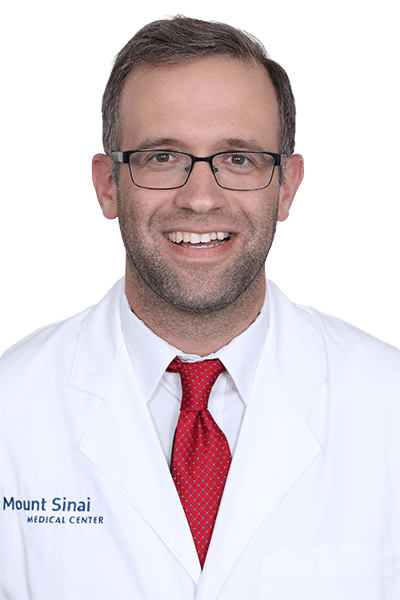
Leonard L. Sokol, MD
- Neurology
- Neuroscience
- Alzheimer’s Disease
- Dementia
- Mount Sinai Medical Center (Main Campus)
- 305.674.2543