Mount Sinai Medical Center’s Wien Center for Alzheimer’s Disease & Memory Disorders provides compassionate care for our patients with memory disorders and their families. Patients can access up-to-the-minute research- and evidence-based care for their neurological and psychiatric conditions.
The term “dementia” refers to impairment of memory and other aspects of cognitive performance that has the severity to impair daily activities of living. Mild cognitive impairment (better known as MCI) is an earlier stage of impairment, in which there may be memory or other cognitive impairment. But daily activities of living are not impaired. A broad category of diseases and conditions, especially Alzheimer’s disease and vascular disease, can cause dementia. Typically, these conditions worsen over time. Dementia is not an inevitable, natural part of the aging process. Only a portion of our population develops dementia. While most causes of dementia are not curable, at Mount Sinai’s Wien Center for Alzheimer’s Disease & Memory Disorders, we can improve or slow the progression of cognitive and behavioral symptoms associated with conditions causing dementia — especially when the diagnosis is made early.
Over 6.5 million people in the United States live with Alzheimer’s disease. It affects more than 10% of people over the age of 65, and it is the fifth leading cause of death. Because early detection is crucial to better manage progression and treatment, our physicians at the Wien Center offer complimentary memory screenings and utilize the most advanced tests, technology, and treatment methods available.
For over 20 years, the physicians and scientists at the Wien Center have made major contributions to the study of memory disorders. They continue to conduct original research, run clinical trials, and contribute to state and national educational platforms and research networks. We produce a world-renowned annual education conference for physicians, researchers, and care providers.
Dementia profoundly and devastatingly impacts patients’ minds and bodies. Our physicians and staff see this impact firsthand, and it inspires them to constantly work to discover and implement new diagnostic tools, treatment methods, and potential cures for Alzheimer’s disease and other forms of dementia.
A Holistic Approach
Dementia affects more than just memory. Over time, it impairs other brain functions, like judgment, mobility, speech, and the ability to care for oneself. As time passes, people with dementia have to rely more on their caregivers. For this reason, the Wien Center uses a holistic approach to address each patient’s needs and provide support and resources for patients and their families and caregivers.
Our care team considers the mental, physical, emotional, social, and environmental aspects of our patients’ lives. As a result, patients who come to Mount Sinai will have access to leading medical experts and a multidisciplinary team, dedicated to managing the progression of disease after diagnosis. At the Wien Center, a patient’s team includes neurologists, psychiatrists, psychologists, mental health counselors, and case managers (who serve as community resource specialists), coordinating care with various providers.
A Program As Diverse As Our Region
In the United States, many of the tests and assessments we use to evaluate cognition were designed for English speakers. However, at the Wien Center, patients benefit from multilingual staff members and translators who can communicate in Spanish and other languages. As a result, more patients and families from different backgrounds and nationalities can access our state-of-the-art services for Alzheimer’s and dementia. Like the community we serve, Mount Sinai Medical Center’s Wien Center offers a culturally sensitive, multilingual program that preserves patients’ health, independence, and dignity, as they face their disease.
What to Expect
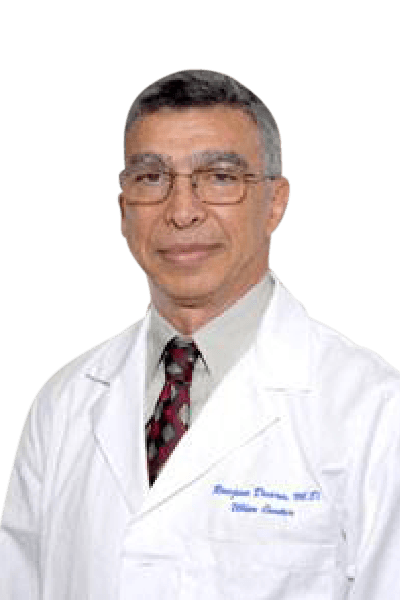
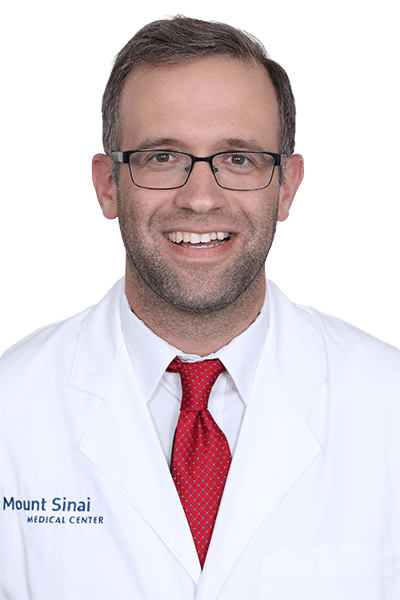
The Wien Center care team includes two physicians, a nurse practitioner (NP), a physician’s assistant (PA), a mental health counselor (MHC) and two medical assistants. At the initial visit to the Wien Center, patients are evaluated clinically by a NP or PA, and any necessary brain scans, laboratory tests and/or medications may be ordered, based on the presenting symptoms.
Cognitive and behavioral evaluation is performed by our MHC, while prior medical records are filed and vital signs and standard questionnaires are administered by our medical assistants.
At the first follow-up visit, patients are seen by one of the physicians, who will review any laboratory tests and brain scans and will discuss primary and contributing diagnoses. Further brain scans or lab tests may be ordered and changes in treatment are initiated, as necessary.
Referrals to clinical trials (and other research studies) and further follow-up are also discussed.