
Skip to Content

Comprehensive Hernia Program

Advanced Hernia Care & Abdominal Wall Reconstruction

At Mount Sinai Medical Center, our Comprehensive Hernia Program is led by highly experienced surgeons with specialized expertise in diagnosing and treating complex abdominal hernias.

Our team combines advanced surgical techniques with a personalized approach to care, guiding patients from comprehensive evaluation and prehabilitation through minimally invasive repair and long-term recovery. As part of a multidisciplinary medical center, our surgeons collaborate closely with other specialists across Mount Sinai to ensure seamless communication and coordination in each patient’s care.

We personalize every treatment plan to the specific patient’s needs and their unique anatomy, medical history, overall health, and recovery goals. This includes using robot-assisted techniques whenever possible, resulting in faster recovery and a quicker return home.

A Different Approach to Hernia Care

We believe successful hernia treatment begins long before the day of surgery and continues well after the operation is complete. Our Comprehensive Hernia Program combines advanced minimally invasive and robotic surgery with prehabilitation, personalized recovery protocols, nutritional optimization, and evidence-based pain management to help patients return to work, exercise, sports, and the activities they enjoy as quickly and safely as possible.

Every patient deserves to understand their condition, the available treatment options, and the risks and benefits of each approach. We believe surgery is a shared decision-making process. Through education and open communication, we empower patients to make informed decisions that align with their goals and lifestyle.

About Abdominal Hernias​

What Is an Abdominal Hernia? Types, Causes & Symptoms

An abdominal hernia occurs when tissue or an internal organ pushes through a weak area of muscle or connective tissue in the abdominal wall. It may develop gradually over time or after prior surgery, injury, or sustained increases in abdominal pressure from heavy lifting, chronic coughing, pregnancy, or changes in body weight.

Our Comprehensive Hernia Program focuses on minimally invasive surgery to repair from small to complex ventral hernias, which may include incisional hernias that occur at the site of a previous surgery and recurrent hernias that return after prior repair.

While some hernias remain small and cause few symptoms, others become more problematic over time. Early evaluation from our experienced team can help determine the most appropriate course of care and whether surgical repair or ongoing monitoring is recommended.

Abdominal hernias can affect people of all ages and activity levels. Factors that may increase the risk of developing a hernia include:

  • Prior abdominal or pelvic surgery
  • Chronic coughing or constipation
  • Repetitive or physically demanding lifting
  • Pregnancy
  • Tobacco use, which can impair healing
  • Older age, as tissues naturally weaken over time
  • Certain inherited connective tissue disorders

Obesity is also an important risk factor, as excess weight places additional strain on the abdominal wall and is associated with a higher risk of both hernia development and recurrence after repair. Mount Sinai’s Comprehensive Hernia Program team offers coordinated access to integrated weight management services when appropriate to help patients prepare for surgery and achieve long-term success. This includes collaborating with a Mount Sinai dietitian and prescribing weight loss medications such as GLP-1s. At Mount Sinai, we typically require patients to achieve a body mass index (BMI) below 35 prior to surgery.  

Abdominal hernia symptoms vary depending on size and location and may include:

  • A bulge in the abdomen or along a surgical scar
  • Pain or discomfort with lifting, coughing, or exercise
  • Pressure or heaviness in the abdomen
  • Symptoms that become more noticeable with standing or physical activity

Sometimes doctors discover abdominal hernias during routine physical exams or on imaging performed for other medical conditions.

Many hernias remain stable for years, while others enlarge over time or become increasingly uncomfortable. In some cases, tissue may become trapped in the hernia (incarceration), or its blood supply may be compromised (strangulation), creating a medical emergency that may require surgery.

It’s best to seek a surgical consult for your abdominal hernia early rather than later because waiting may limit treatment options. In addition, smaller abdominal hernias have lower risks of complications.

While some hernias remain small and cause few or no symptoms, it is important to schedule an evaluation if you notice a new abdominal bulge, persistent discomfort, or changes in a known hernia. Immediate medical attention is critical if:

  • The hernia becomes suddenly painful or firm
  • The bulge cannot be pushed back in
  • You develop nausea, vomiting, or fever
  • The area becomes red, purple, or darker than normal
  • The hernia becomes larger over time

Every patient with an abdominal hernia receives a comprehensive evaluation to diagnose the type of hernia, assess overall health, and define treatment goals. From there, we tailor each patient’s care based on their particular needs.

Throughout the process, we engage our patients, encourage them to ask questions, learn about their treatment options, understand what recovery may involve after hernia surgery, and make informed decisions alongside their care team.

Early evaluation by our experienced hernia team helps determine the best course of care. Not every hernia requires immediate surgery. For some patients, careful monitoring, weight management, or other nonsurgical approaches may be the most appropriate treatment. When surgery is recommended, it is because our team believes the patient is likely to benefit from repair based on their symptoms, overall health, and the characteristics of the hernia.

Treatment Options

 Minimally Invasive & Robotic Hernia Repair Procedures

When surgery is recommended, Mount Sinai Medical Center surgeons use advanced minimally invasive, reconstructive techniques to repair abdominal hernias. Rather than relying on a one-size-fits-all approach, our surgeons customize the procedure based on each patient’s anatomy, hernia type, prior surgical history, overall health, and treatment goals. This individualized approach helps ensure a durable repair and better function after surgery. Whenever possible, we perform laparoscopic, robotic-assisted surgeries, which have fewer complications, less pain, and a faster recovery.

Abdominal Wall Reconstruction

For patients with complex abdominal hernias, abdominal wall reconstruction helps restore strength, stability, and function to the abdominal wall. Our surgeons may recommend this approach when standard hernia repair alone is unlikely to provide adequate long-term support.

Robotic Transversus Abdominis Release (TAR)

Using robotic TAR, a well-established minimally invasive procedure, surgeons treat selected complex ventral hernias by releasing specific abdominal wall muscle layers to create additional space for reconstruction. This allows larger defects to be closed using a tension-free technique with mesh reinforcement when appropriate.

Robotic Posterior Rectus Plane Dissection

Using robotic posterior rectus (retromuscular) plane dissection, surgeons access deeper layers of the abdominal wall through small incisions. This approach allows surgeons to repair complex hernias between natural tissue planes without entering the abdominal cavity, which may support a smoother recovery.

Extended Totally Extraperitoneal Repair (eTEP)

With eTEP, surgeons repair selected hernias through natural tissue planes without entering the abdominal cavity. Depending on the type of hernia and the patient’s anatomy, this minimally invasive approach allows for a strong, carefully tailored repair.

Preperitoneal Enhanced-View Totally Extraperitoneal (PeTEP)

PeTep is an advanced minimally invasive robotic approach for selected umbilical and ventral hernias. By working within the natural tissue planes of the abdominal wall without entering the abdominal cavity, surgeons can repair the hernia while placing mesh in its ideal anatomical position. This technique may reduce postoperative pain, minimize contact between the mesh and abdominal organs, lower the risk of internal adhesions, and support a faster recovery with excellent functional and cosmetic outcomes, keeping incisions below the waistline. Because every hernia is unique, your surgeon will determine whether the PeTEP Technique is the most appropriate option based on your anatomy and individual treatment goals.

What To Expect

At Mount Sinai’s Comprehensive Hernia Program, the process begins with a consultation focused on understanding each patient’s hernia, overall health, and individual goals. During the initial evaluation, our team reviews the patient’s medical history, symptoms, prior treatments, imaging when available, and lifestyle factors that may influence recovery. We discuss the diagnosis in detail, explain available treatment options, and work with each patient to determine the most appropriate surgical approach based on their specific needs.

Once a treatment plan is established, patients receive guidance on how to prepare for surgery and optimize their health beforehand. Recovery often begins before surgery even takes place. Before surgery, many patients participate in a process called “prehabilitation,” which focuses on preparing the body for surgery and supporting a smoother recovery. Prehabilitation may include weight optimization, nutritional guidance, smoking cessation, diabetes control, anemia when appropriate, physical conditioning, and other personalized strategies. These efforts are designed to prepare patients for surgery, reduce complications, support more durable hernia repairs, and make the recovery process easier and faster.

Following abdominal hernia repair, patients continue with a structured recovery plan designed to promote safe healing, restore strength, and return to daily activity. Because we treat many patients with minimally invasive and robotic techniques, our patients typically report less pain after surgery, shorter hospital stays, and are able to return to daily activities faster compared to patients who have traditional open surgery. Depending on the procedure and individual progress, some patients can return home the same day or shortly after surgery.

In our program, we employ Enhanced Recovery After Surgery (ERAS) protocols—an evidence-based approach that emphasizes optimized pain control, early mobility, and coordinated recovery—to help hernia specific patients heal more comfortably and return to normal activities sooner.

Recovery includes clear, individualized guidance related to movement, lifting, and activity. When appropriate, we refer patients to physical therapy or sports medicine specialists to rebuild strength safely and gradually.

Our goal extends beyond repairing the hernia. Through a collaborative, multidisciplinary approach, we help patients return to the activities that matter most to them, whether that’s going back to work, strength training, running, weightlifting, recreational sports, or other aspects of daily life that contribute to their quality of life.

Other ongoing care may include nutrition counseling, weight management support, or rehabilitation services to promote long-term recovery—all while maintaining access to our multidisciplinary team.

Effective pain control is an important part of the recovery process. Our multimodal pain management protocol is specifically designed to control discomfort while also reducing the need for opioid medications whenever possible. By combining long-acting local anesthetics, non-opioid medications, regional anesthesia when appropriate, and minimally invasive surgical techniques, many patients experience excellent pain control while minimizing narcotic use and its associated side effects.

Frequently Asked Questions

No. Some hernias can be safely monitored, especially if they are small and have minimal symptoms. Your doctor will recommend the most appropriate treatment based on your individual case.

Complex abdominal hernias are typically larger, recurrent, or associated with prior abdominal surgery or weakened abdominal wall tissue. These cases often require advanced reconstructive techniques. However, Mount Sinai’s surgeons have advanced training and experience treating complex cases that other surgical teams may shy away from.

Robotic-assisted surgery allows for precise repairs with smaller incisions and less damage to surrounding tissue. Benefits include less pain, shorter hospital stays, fewer wound complications, like risk of infection, and a faster recovery while maintaining durable long-term repairs.

Excess weight increases abdominal pressure and may increase the risk of complications or recurrence. Our surgeons may recommend weight loss before surgery for some patients, and we can provide referrals to other Mount Sinai providers with whom we collaborate to help patients lose weight.

Yes. While modern techniques and the advanced approaches we use at Mount Sinai reduce recurrence rates, hernias can return. The risk of recurrence depends on factors such as the size of the original hernia, prior repairs, whether the patient smokes, obesity, and their overall health.

Some patients have recurrent hernias, which means they can come back in the same place or close to the same spot. While newer, advanced techniques have reduced recurrence rates, recurrence can still occur due to lifestyle factors or the original surgical technique. Our team can help evaluate potential next steps.

Recovery time varies for every patient. Your care team will provide individualized recommendations based on your procedure and recovery progress, often with support from rehabilitation specialists.

Typically, you don’t need a referral. Our team can help coordinate additional consultations and work with your insurance provider to arrange for coverage.

Why Choose Mount Sinai for Hernia Care?

Expert hernia care starts with us. At our Comprehensive Hernia Program, patients can expect:

  • Specialized expertise in complex abdominal wall reconstruction
  • Advanced robotic and minimally invasive techniques
  • Personalized treatment plans, not a one-size-fits-all approach
  • Comprehensive prehabilitation and optimization before surgery
  • Integrated nutrition and medically supervised weight management
  • Hernia-specific Enhanced Recovery After Surgery (ERAS) pathway
  • Opioid-sparing pain management
  • Shared decision-making through patient education
  • Multidisciplinary collaboration across Mount Sinai specialties
  • Recovery plans designed to help patients return to daily life faster

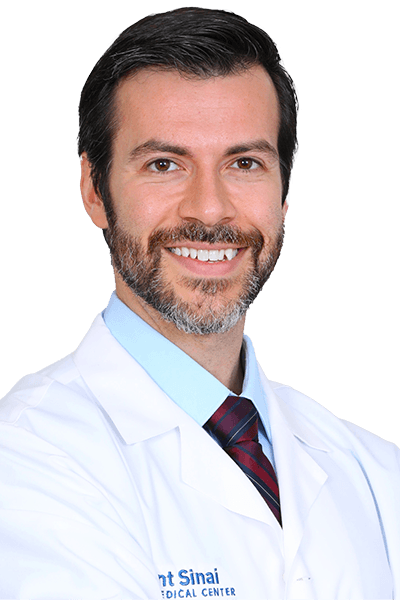
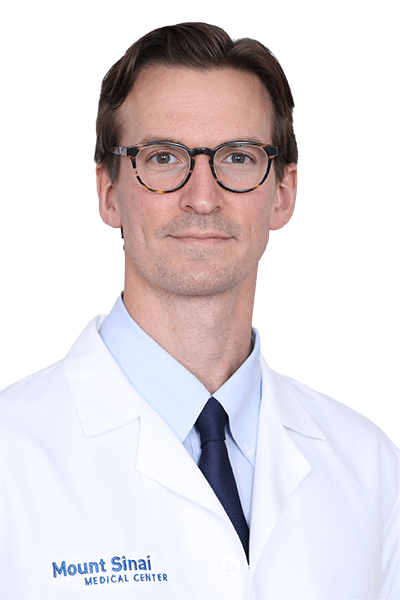
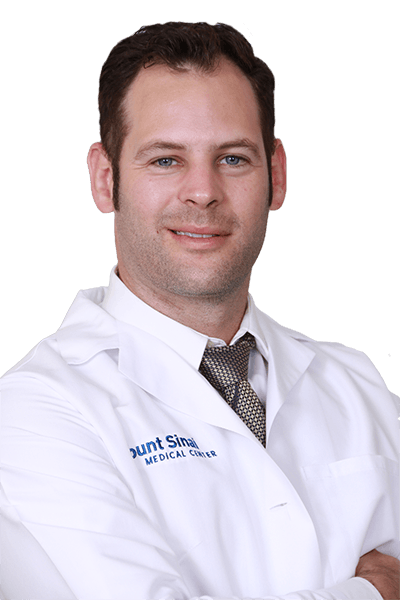
Our Physicians

Manuel Sivina, MD

  • General Surgery
  • Vascular Surgery

Jennifer Dianne Davies, MD

Program Director, General Surgery Residency

Interim Chief, General Surgery

Director, Wound Care

  • General Surgery

Jonathan Richard Zadeh, MD

Associate Program Director, General Surgery Residency

Director, Bariatric Surgery

  • Bariatric Surgery
  • General Surgery
  • Minimally Invasive Surgery
  • Hernia Surgery
  • Robotic Surgery

Paul W. Baker, MD

  • General Surgery
  • Bariatric Surgery
  • Minimally Invasive Surgery
  • Foregut Surgery
  • Hernia Repair
  • Robotic Surgery
  • Endoscopy
  • Enhanced Recovery After Surgery (ERAS)

Jessica Pastoriza, MD, FACS, DiplACLM

  • General Surgery
  • Surgical Oncology
  • Breast Surgery
  • Oncology
  • Cancer
  • Breast Cancer

Marc Rafols, MD

  • General Surgery
Back to top