


Gastric Bypass
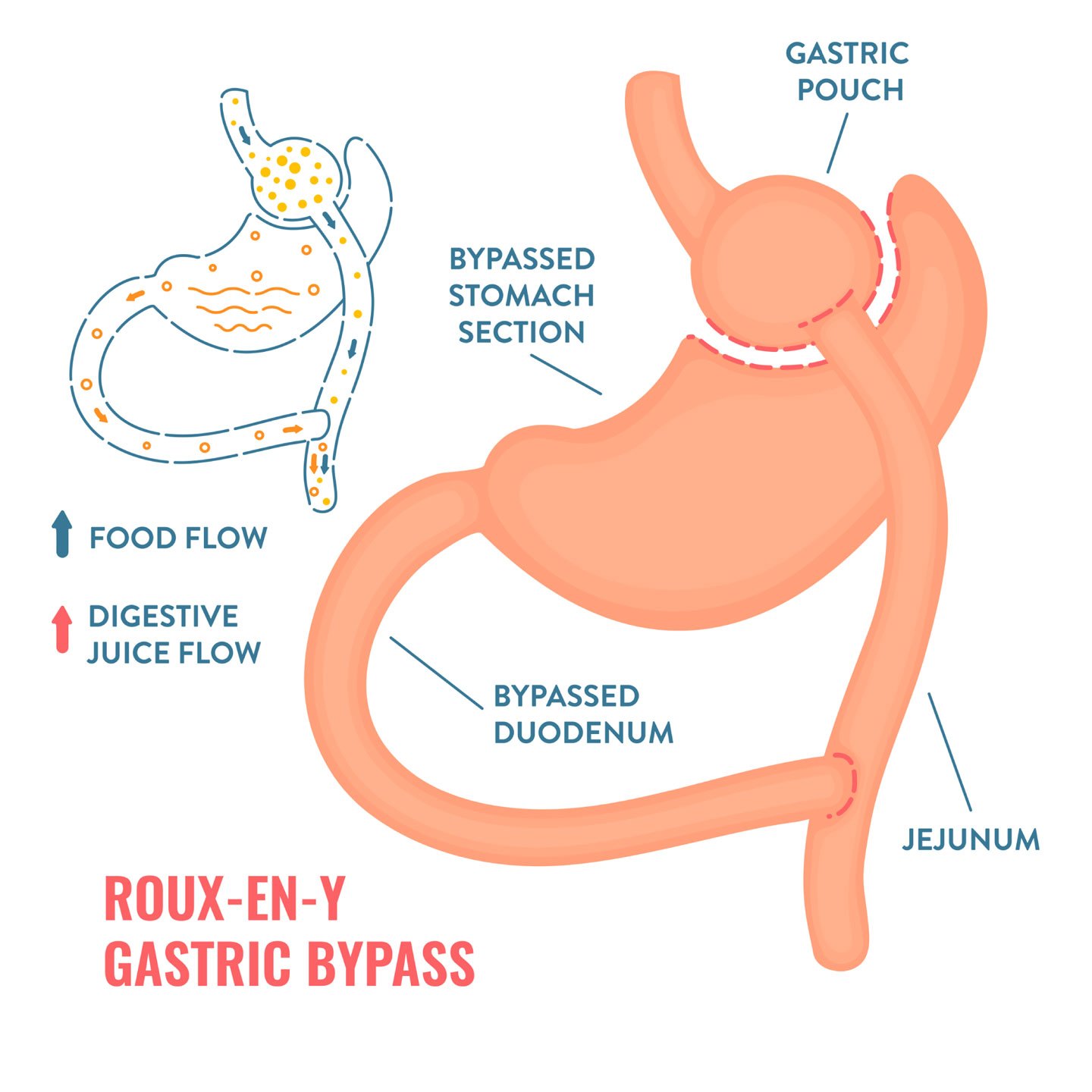
The Roux-En-Y gastric bypass is a procedure in which a small gastric pouch is created from a portion of the upper stomach and then is directly connected to the small intestine. This restricts the amount of food that can be processed and reduces the absorption of that food. It also changes how the body releases hormones related to hunger and metabolism. All of this combines to help patients lose approximately 70 to 80 percent of their excess body weight. This is a well-studied and safe procedure that has been perfected over several decades. This surgery is now performed laparoscopically or robotically through small incisions, which allows for a quick recovery time with patients returning home within two days of the operation.
Gastric Sleeve
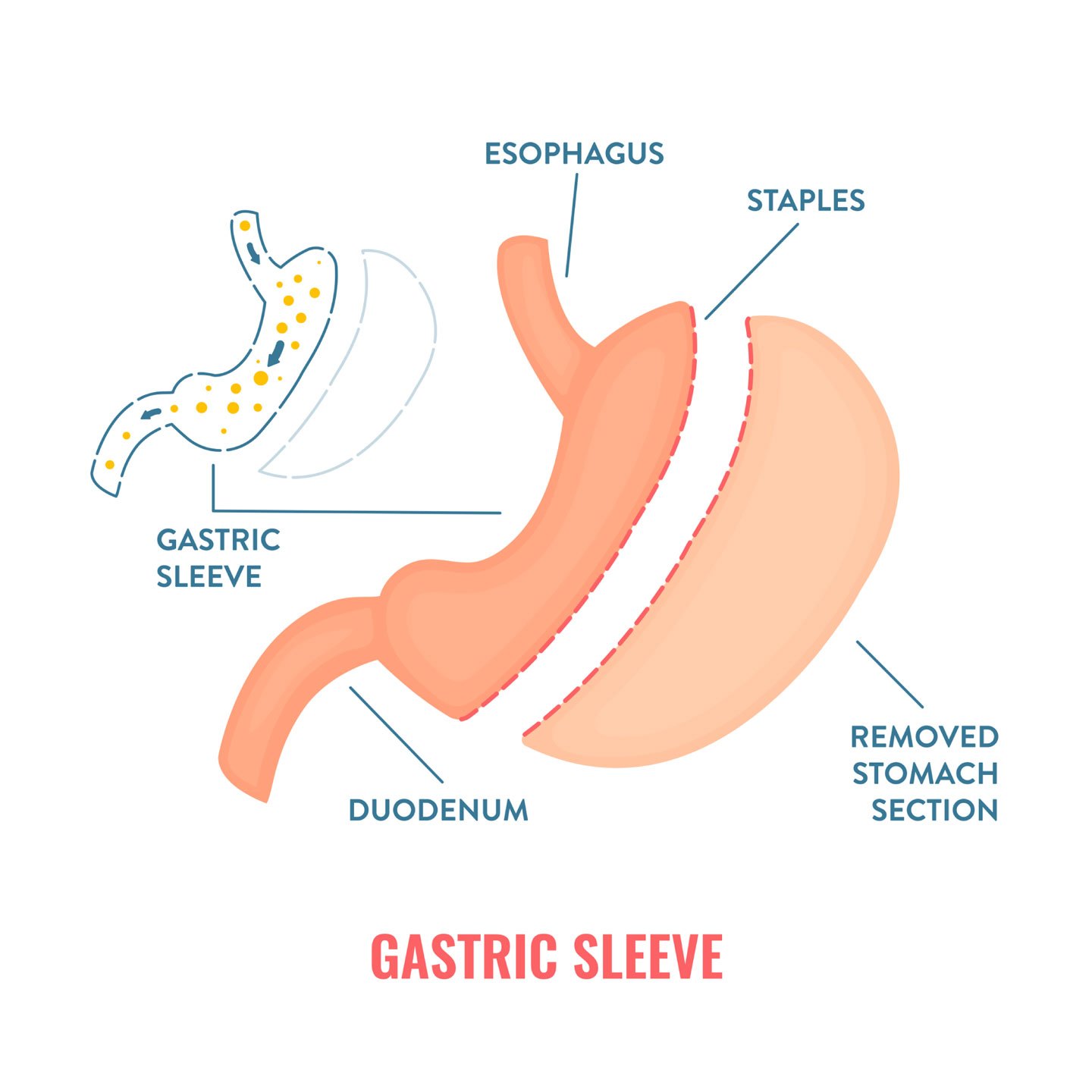
The sleeve gastrectomy is a procedure in which a thin stomach tube is created by stapling along a special sizing device and removing approximately 75 percent of the stomach. This provides the patient with a small residual stomach that holds much less food. Removing a significant portion of the stomach also removes many of the cells that produce one of the body’s major hunger hormones. These combined effects can help patients lose about 60 to 70 percent of their excess body weight. This surgery is performed laparoscopically or robotically through small incisions, which allows for a quick recovery time with patients returning home within two days of the operation.
Are You a Candidate for Bariatric Weight-Loss Surgery?
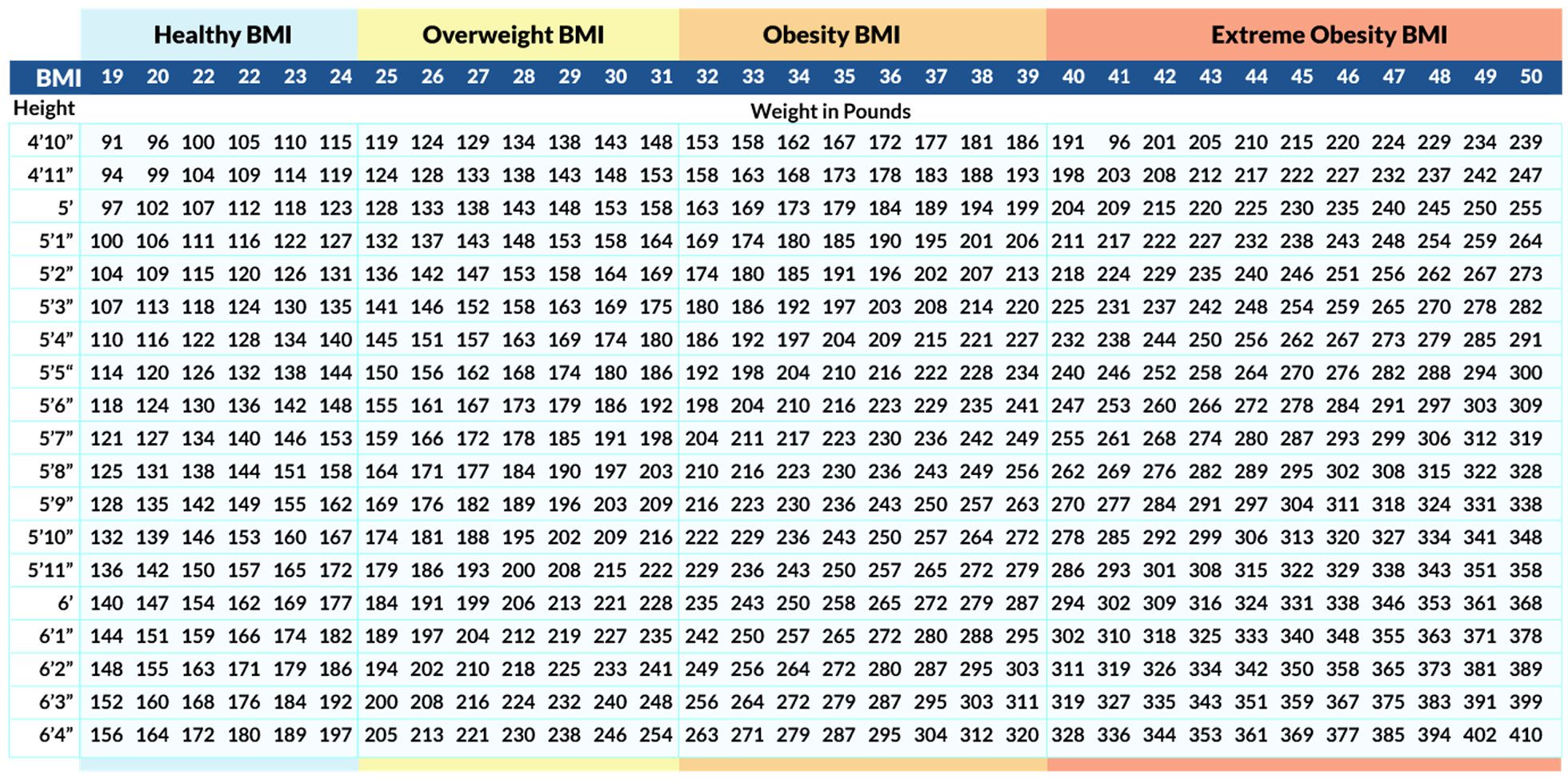
To qualify for bariatric surgery, patients generally need to meet one of the following two criteria:
- Have a Body Mass Index (BMI) greater than 40
- Have a BMI greater than 35, with a significant medical condition
Calculate your BMI using this calculator: https://www.nhlbi.nih.gov/health/educational/lose_wt/BMI/bmicalc.htm
Or you may reference this chart:
For patients exploring revision procedures, the decision to proceed with surgery is made on a highly individualized basis. Intervention may be appropriate for patients who do not meet the criteria above.
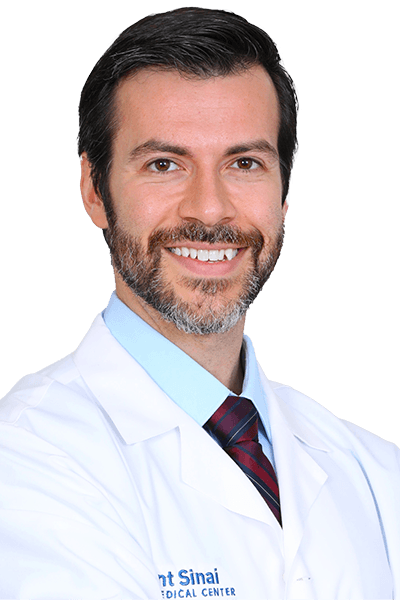
Jonathan Richard Zadeh, MD
Associate Program Director, General Surgery Residency
Director, Bariatric Surgery
- Bariatric Surgery
- General Surgery
- Minimally Invasive Surgery
- Hernia Surgery
- Robotic Surgery
- Mount Sinai Medical Center (Main Campus)
- 305.532.4835
- Mount Sinai Specialty Care Key West I Cardiology, Urology & Vascular Care
- 305.294.8334
Paul W. Baker, MD
- General Surgery
- Bariatric Surgery
- Minimally Invasive Surgery
- Foregut Surgery
- Hernia Repair
- Robotic Surgery
- Endoscopy
- Enhanced Recovery After Surgery (ERAS)
- Mount Sinai Medical Center (Main Campus)
- 305.532.4832
- Mount Sinai Emergency Center, Physician Offices, Cancer Center and Diagnostic Center Aventura
- 305.692.1080